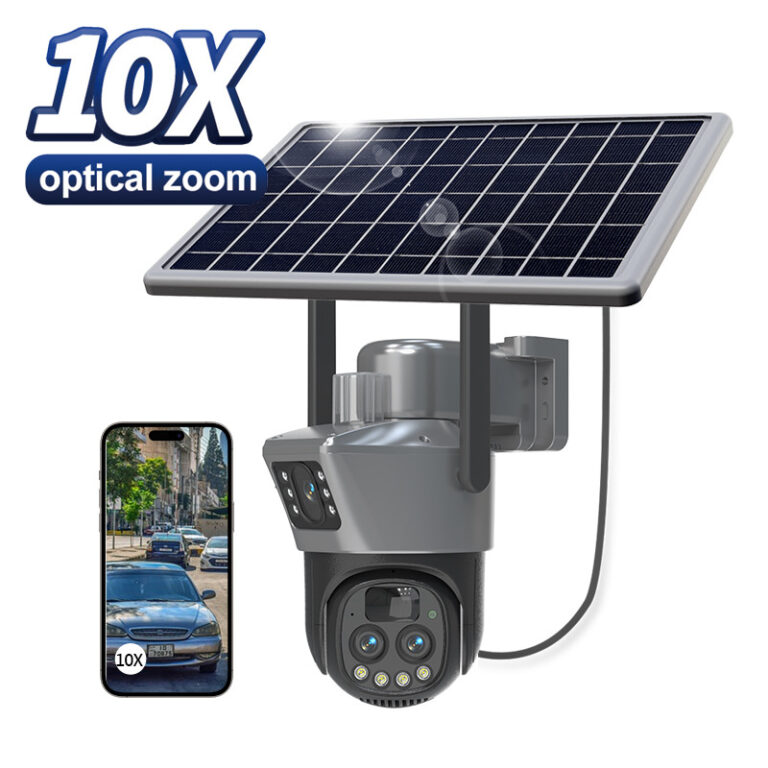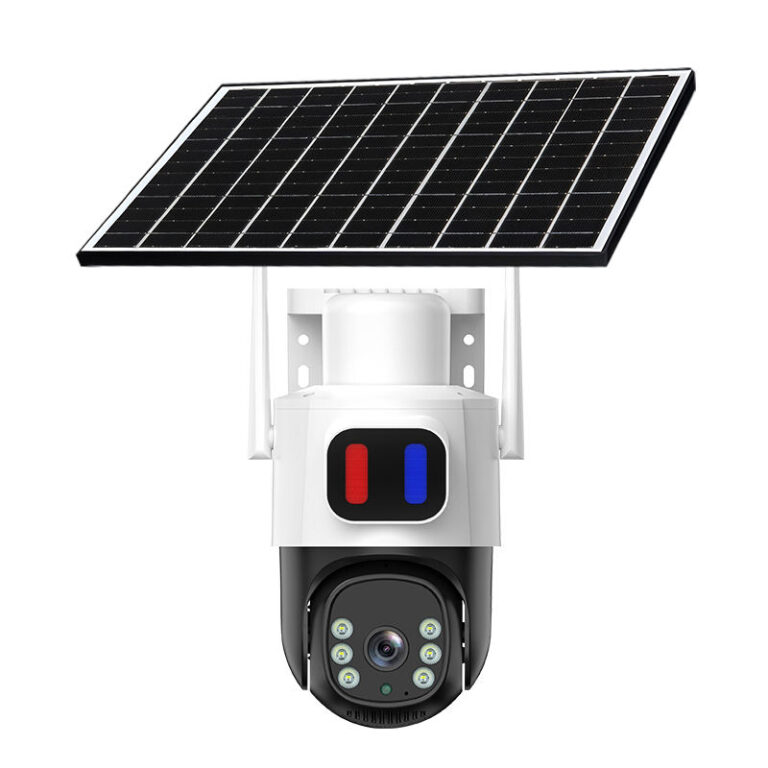
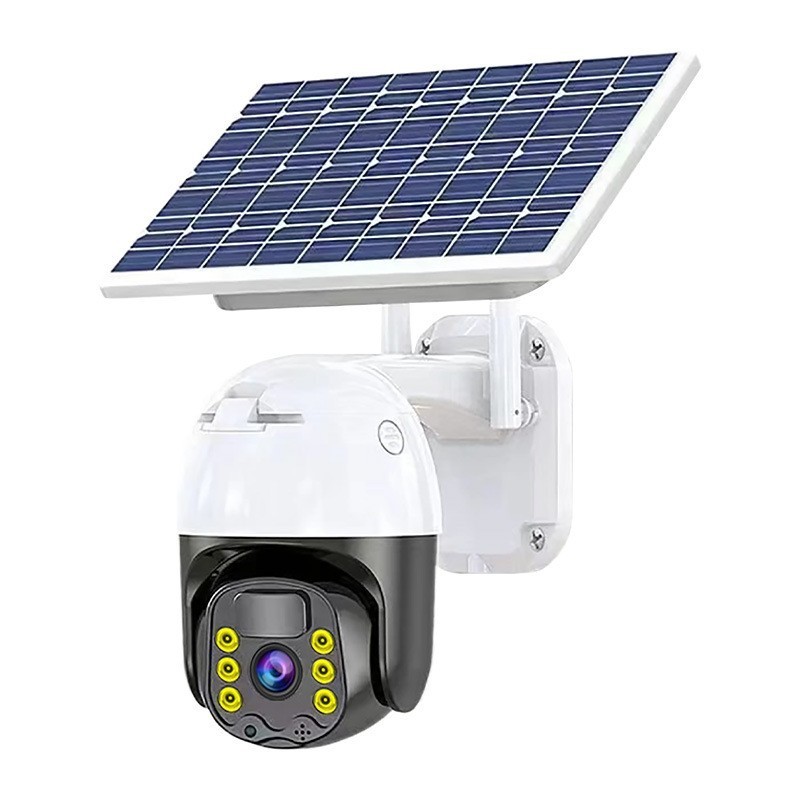
What Customers Value Most in Wireless Solar Cameras — and What Drives Cost?
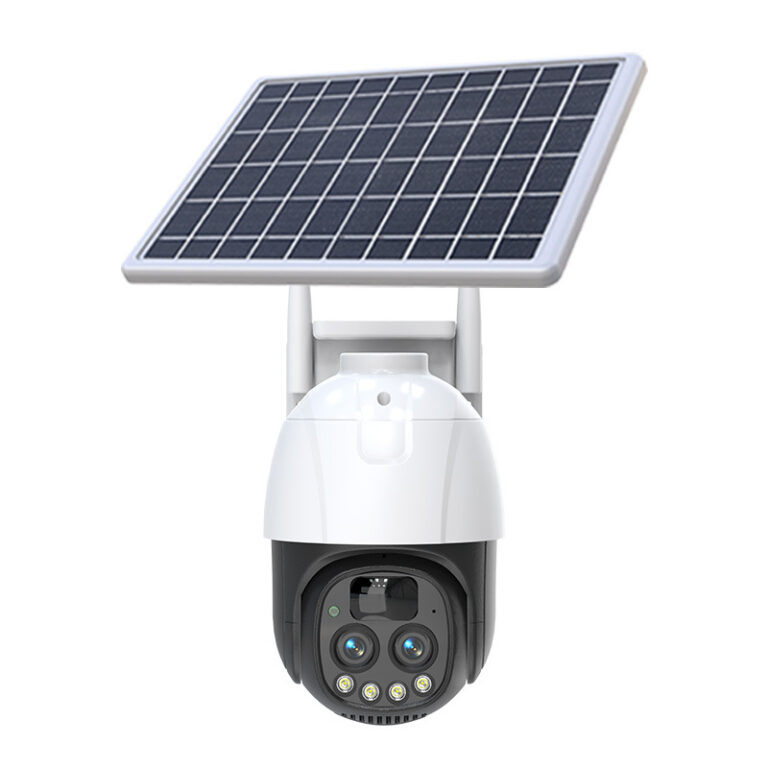
Wireless solar cameras have rapidly become a go-to solution for homeowners and businesses seeking reliable, maintenance-free security. With the rise of smart homes and outdoor monitoring, understanding what customers care about and what influences the cost is essential for choosing the right product.
Why Wireless Solar Cameras Are Popular
Wireless solar cameras combine off-grid energy independence with smart security features. They are easy to install, don’t require wiring, and can operate in remote locations thanks to solar-powered batteries. This convenience makes them highly attractive for both residential and commercial use.
Key Features Customers Care About
1. High-Resolution Video
Consumers expect clear and detailed footage. Most prefer 2K or 4MP resolution for accurate identification of faces, vehicles, and license plates. High-resolution sensors ensure reliable surveillance day and night.
2. Night Vision Capabilities
Nighttime security is critical. Customers value cameras with:
-
Infrared night vision for dark environments
-
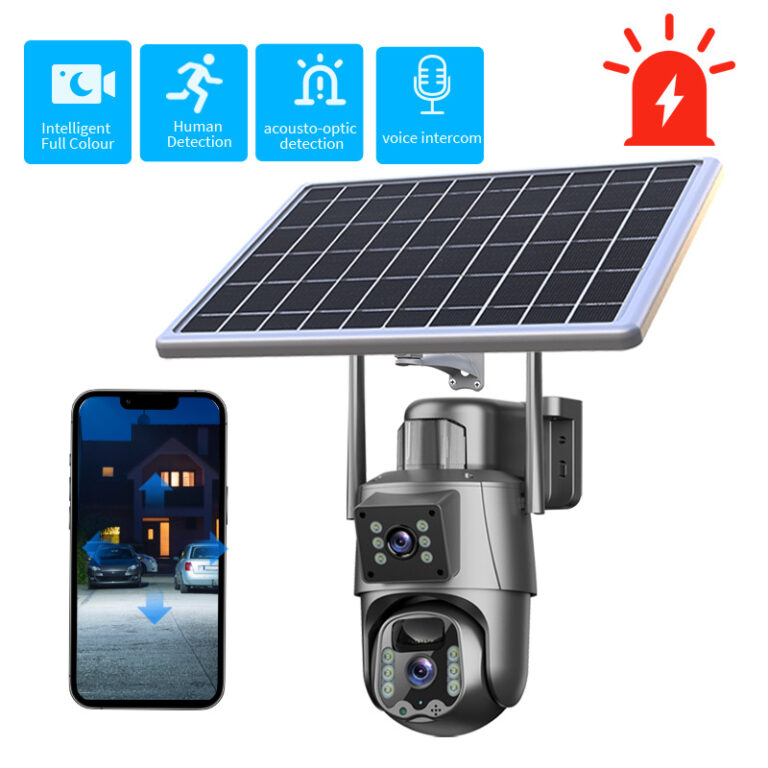
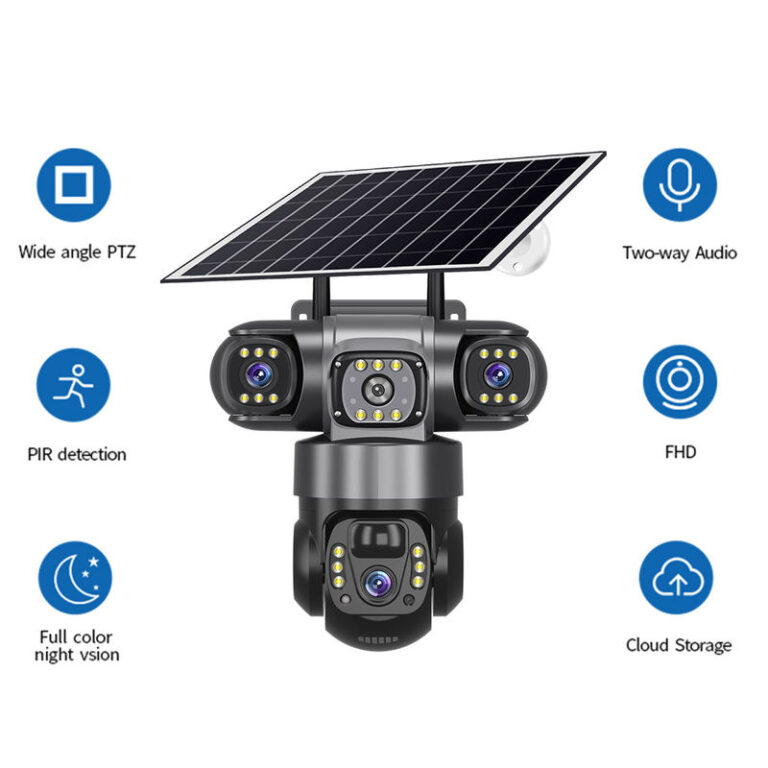
Color night vision for enhanced visibility
-
Long-distance night vision to monitor larger areas
3. Long Battery Life and Efficient Solar Charging
A truly wireless camera must run continuously without frequent charging. Larger batteries paired with high-efficiency solar panels ensure the camera stays operational, even in cloudy weather.
4. Smart AI Motion Detection
Modern customers want fewer false alerts. AI-powered human and vehicle detection ensures motion alerts are meaningful, improving the overall user experience.
5. Reliable Wireless Connectivity
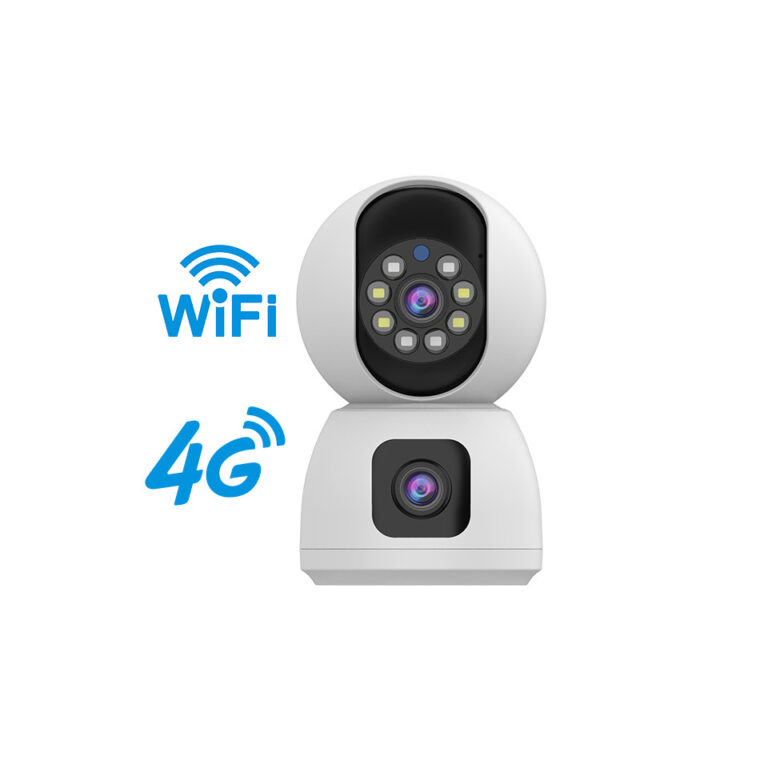
A stable Wi-Fi connection is essential for smooth live streaming and fast notifications. Cameras with dual-band Wi-Fi and strong antennas reduce interruptions.
6. Weatherproof and Durable
Outdoor cameras must withstand rain, dust, and extreme temperatures. Most buyers look for IP66/IP67-rated waterproof cameras to ensure long-term reliability.
7. Flexible Storage Options
Customers appreciate the flexibility of local SD card storage and cloud storage options for easy access, playback, and backup.
What Influences the Cost of Wireless Solar Cameras
1. Core Chipset and AI Capabilities
The main chipset affects both performance and cost. Advanced low-power AI chipsets with video processing and motion detection are more expensive but deliver superior performance.
2. Camera Sensor Quality
High-end sensors like Sony or premium CMOS modules provide sharper, more accurate images, while low-cost sensors reduce clarity.
3. Battery and Solar Panel Size
Larger batteries and higher-efficiency solar panels increase production cost but ensure longer operating time and independence from mains power.
4. Waterproof Housing and Build Quality
Achieving IP66/IP67 requires better materials, tighter seals, and more precise assembly, all of which add to cost.
5. Wi-Fi Module and Connectivity Features
Dual-band or long-range Wi-Fi modules improve connectivity but increase the bill of materials.
6. Software and Cloud Services
Developing a dedicated app, cloud storage, and AI-based remote monitoring adds long-term costs that influence the retail price.
Choosing the Right Wireless Solar Camera
For buyers, the ideal wireless solar camera balances high-resolution imaging, long-lasting solar power, accurate AI motion detection, and durable weatherproof design. By understanding which features matter most and which components drive cost, customers can select the best product for their needs.
For businesses, optimizing the combination of hardware, battery, solar panel, and software is key to producing a high-value product that is competitive in the global market.